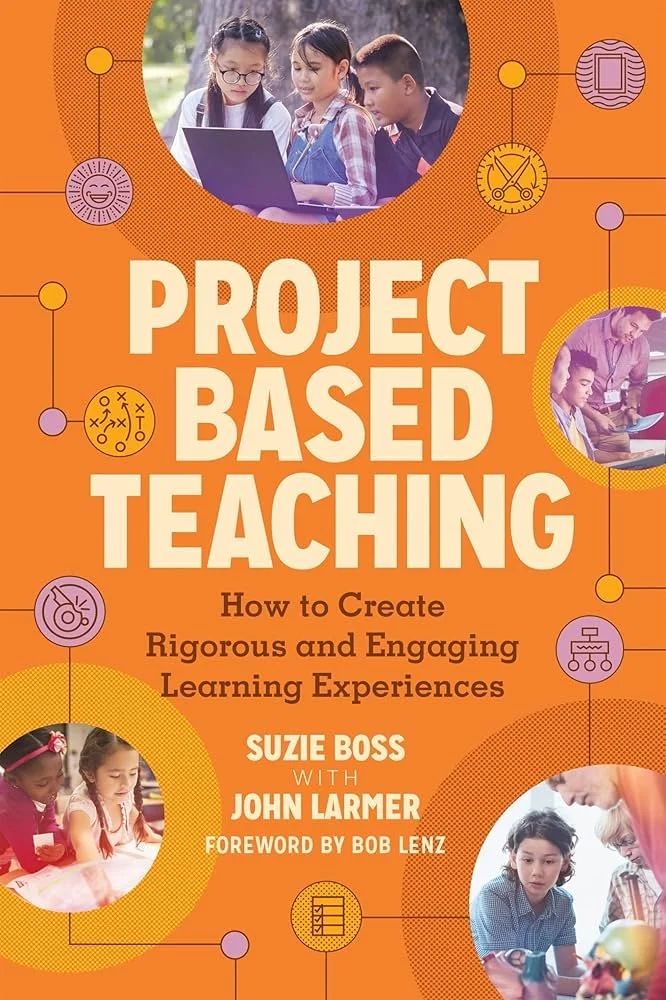
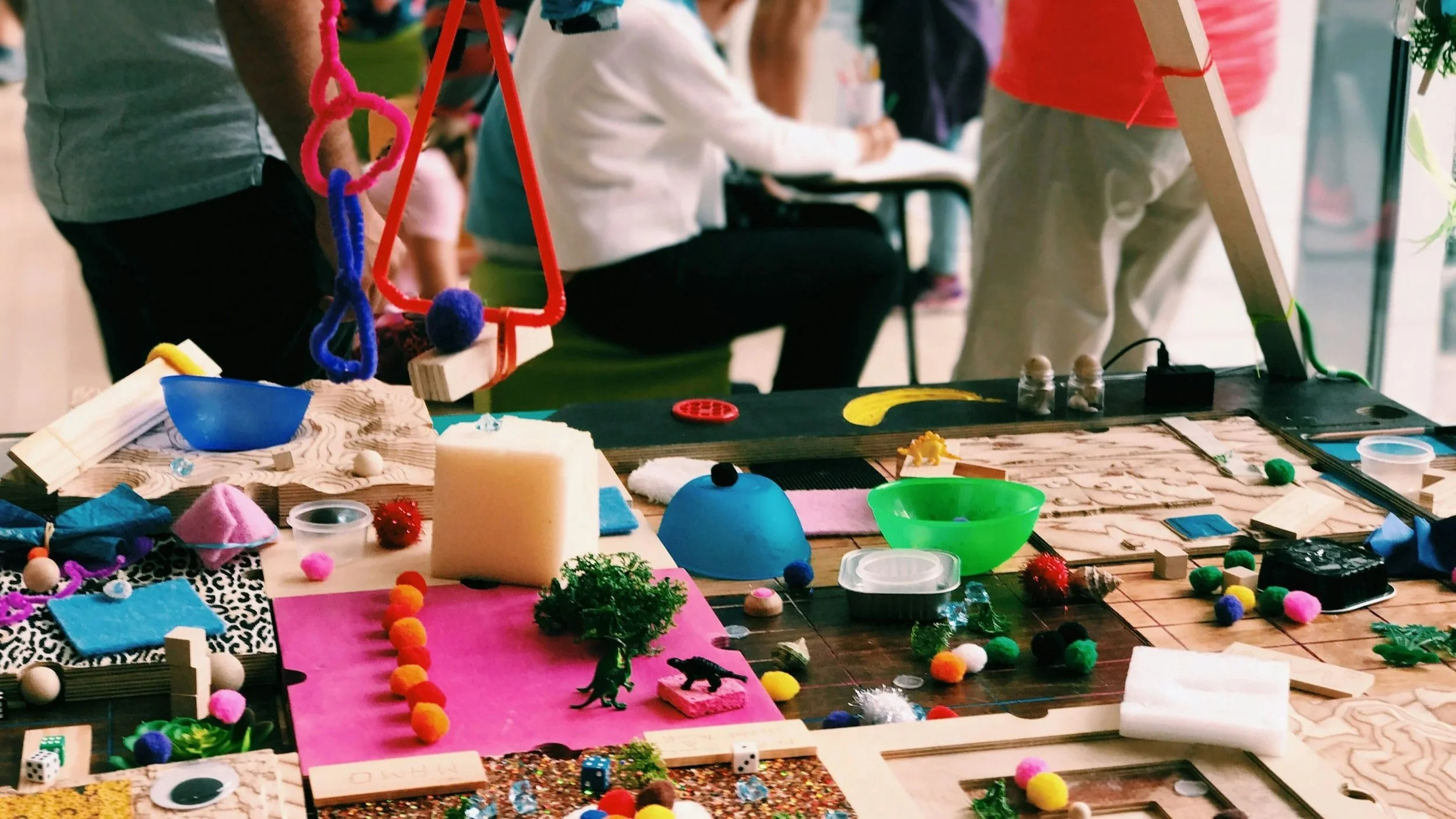
“Project Based Learning (PBL) is a teaching method in which students learn by actively engaging in real-world and personally meaningful projects.”
We Deal in Custom Education
Imagine what is possible when all students receive the support needed to do their best learning; when they are engaged at their point of interests; when they are seen for who they are (becoming); when they make time to develop their skills and talents.
That’s the reality ARCHS seeks to bring to fruition.
What Sets Us Apart
-

Student-Driven Independent Projects
ARCHS places student-driven projects at the center of our model. We model our approach after the Gold Standard PBL developed by the Buck Institute, leaders in project-based learning across the nation. Every student completes at least one independent project each trimester, functioning as the Primary Investigator on topics of personal interest that also align to credit areas. This approach develops genuine student agency, connects academic work to student interests, fosters authentic community partnerships, and builds transferable research and problem-solving skills. During their time in high school, students build tangible connections with community resources they can continue to access beyond graduation.
-

Personalized Post-Graduate Planning
ARCHS provides custom education. Each graduate completes their high school career with not just a diploma, but a personalized, comprehensive post-graduation plan co-created with their Core Advisor. This plan begins in the initial year at ARCHS, and grows to reflect students’ transformation during their time in high school. This individualized approach ensures every student has a clear path forward, whether to further education, vocational training, entrepreneurship, or employment.
-

Expert Educators
We specifically recruit educators who have at least three years of successful classroom experience and possess strong content expertise. ARCHS knows that expert educators make a world of difference in students’ lives. We want only the best of the best for the students and families we serve, and quality comes at a price. ARCHS educators receive professional compensation and demand professional development to continue honing their craft to best serve students. Excellent teaching deserves excellent pay, and we’re willing to make it happen. At ARCHS, we plan for educators to retire with us.
-
Community Partnerships
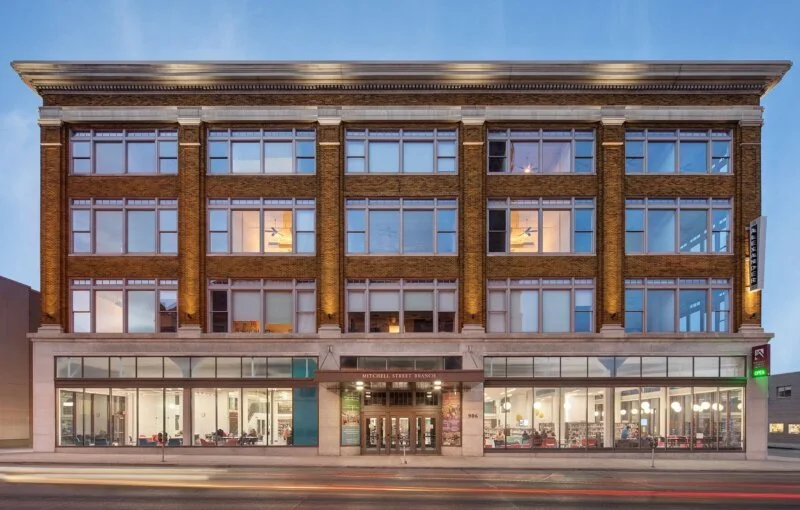
Our model extends beyond school walls through partnerships with community institutions. Student projects necessitate community engagement, ensuring that students learn to navigate different institutions to get what they need and build relationships. Additionally, by the time students are in 12th grade, they will have the opportunity to take dual enrollment courses at Milwaukee Area Technical College, offering them skills in navigating diverse educational settings and advocating for the resources they need.
-

Restorative Justice Approach
Our Restorative Justice discipline model explicitly shifts away from punitive, exclusionary practices that disproportionately impact students of color and those from low-income backgrounds. By focusing on repairing harm, building relationships, and providing support, we aim to reduce suspensions and expulsions, keeping students in the learning environment and addressing root causes of conflict rather than simply punishing symptoms. The emphasis on community building circles, conflict circles, and circles of support creates a web of support that benefits all students.
-

Balancing Student Interests & Academic Rigor
ARCHS seeks to strike a careful balance between meeting standardized benchmarks (ACT, Forward Exam, etc.), developing and assessing transferable skills through robust project evaluation, and creating personalized learning pathways aligned with student interests. This combination of features creates an educational experience unlike any other available to South Side Milwaukee students - one that bridges academic rigor with practical skill development, personal interests with community needs, and present learning with future success.
“...there’s growing recognition that today’s complex world puts new demands on students as they prepare for college, careers, and active citizenship. These demands won’t be met without a fundamental shift away from traditional, teacher-centered instruction and toward more innovative, student-centered teaching and learning.”
— Bob Lenz
Executive Director, Buck Institute for Education